
2026: From Legacy to Leadership
UCSF Alumni Weekend 2026, April 23-25, will feature signature events such as the Discovery Talks, Conversations with the Deans, and the Alumni Awards Brunch — and this year, a special session will also celebrate the legacy of student-run clinics, the alumni who helped shape them, and their enduring impact on communities across California.
The Origins of a Movement
One of the earliest student-run clinics can be traced back to 1974, when Mark Diaz, MD ’79, and a handful of medical and pre-med students dragged discarded exam tables out of a junk pile at the University of California, Davis. They weren’t building a movement. They were trying to open a clinic.
They had a student’s parent reupholster the torn vinyl. They borrowed space on campus. They improvised. What emerged — Clínica Tepati — would become one of the longest-running student-run clinics in the University of California (UC) system and a model for generations of community-based care.
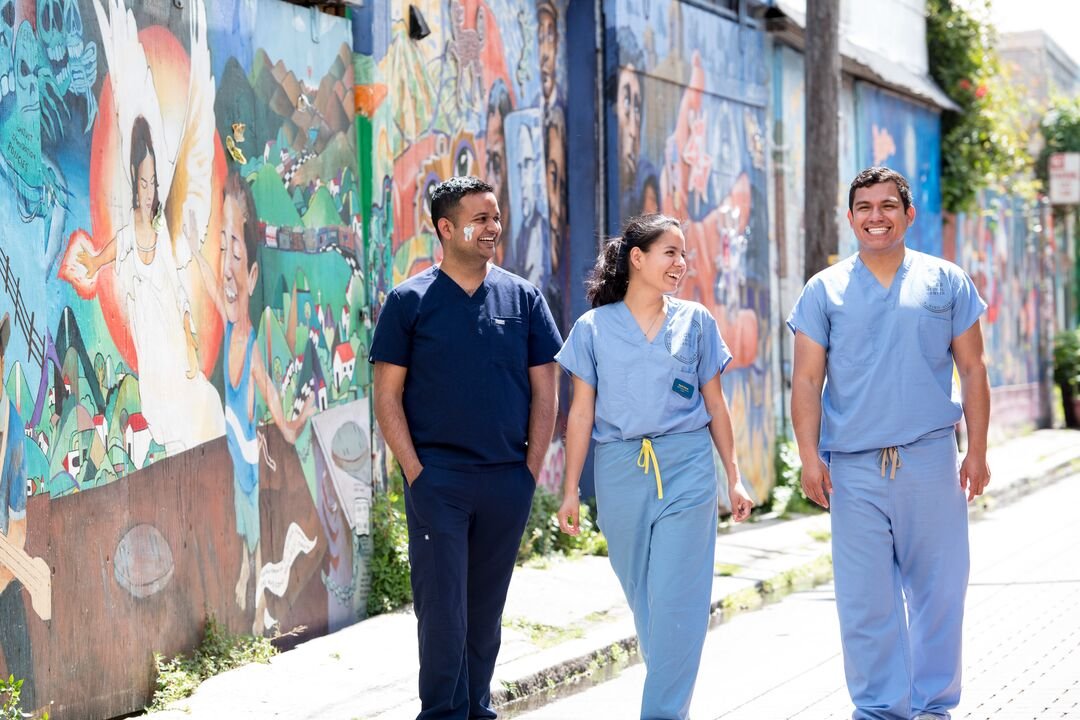
The initiative of these students became part of UC’s Chicano Health Movement and helped spark a broader transformation across the state. Students organized clinics to confront language barriers, discrimination, and lack of access to care in Latino and other medically, economically, and educationally disadvantaged communities. Decades later, at least five UC campuses host active student-run clinics — many of them shaped by the same principles of service, cultural humility, and advocacy that defined those early efforts.
At UCSF, student-led clinics became more than sites of care. They became training grounds for future clinicians, researchers, and public health leaders — and a bridge between academic medicine and the communities it serves.
Honoring the leaders
The history of the student-run clinics will be celebrated during a panel discussion titled Student/Community Clinics – From Legacy to Leadership in Community Care, on Saturday, April 25, at 2 p.m. in the Fisher Banquet Hall inside the Rutter Center.
The discussion, which is open to the public, is part of the quarterly statewide meetings of the University of California Chicanx Latinx Alumni Association (UC CLAA), a collective of alumni from all 10 UC campuses working to strengthen the Chicanx/Latinx alumni voice and advance the UC’s service to its communities.
Moderated by José M. Barral Sánchez, MD, PhD, vice dean of the UCSF School of Medicine Regional Campus at Fresno, the panel will bring together Latinx and Chicano alumni leaders who helped establish early community student-run clinics or were inspired by their experiences working in them. Panelists include Mark Cave, DDS ’78; David Hayes-Bautista, PhD ’74; Faustina Nevarez, MD ’79; and Adrian Espinosa, MS ’15, MPH, RN, PHN, FNP-BC, FADLN.
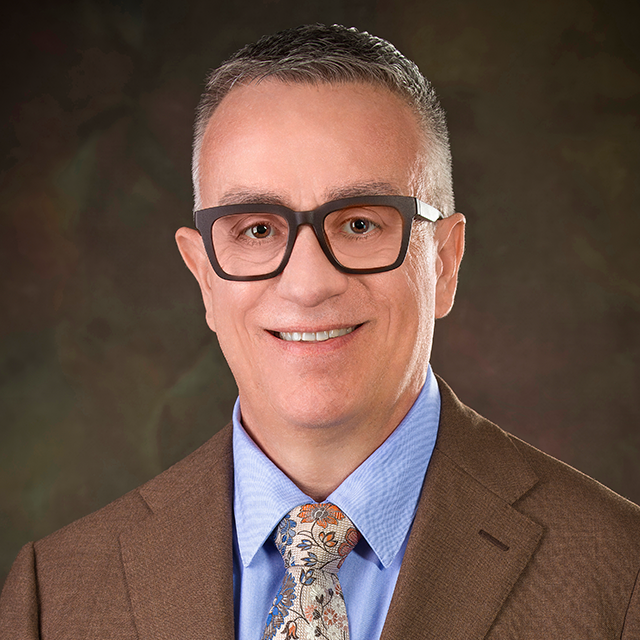
José M. Barral Sánchez, MD, PhD
UCSF School of Medicine Regional Campus at Fresno
Vice Dean
Dr. Barral Sánchez oversees UCSF Fresno’s medical education, faculty and staff development, research growth, and strategic partnerships. Before joining UCSF, he was a professor and chair of the Department of Biomedical Science at the Kaiser Permanente Bernard J. Tyson School of Medicine. He also previously served as a professor and associate dean for academic affairs at the University of Texas Medical Branch in Galveston. Dr. Barral Sánchez is committed to faculty mentorship, trainee development, and strengthening the health care workforce in the San Joaquin Valley. He earned his medical degree at Tecnológico de Monterrey in Mexico and his doctoral degree in biochemistry and molecular biology from Baylor College of Medicine. He completed his postdoctoral research at the Max Planck Institute for Biochemistry.
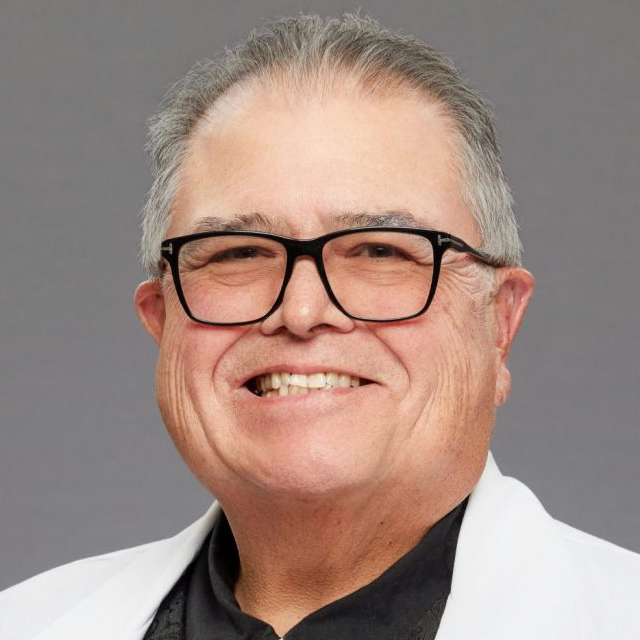
Mark D. Cave, DDS ’78
Dentist in Private Practice
Dr. Cave has practiced dentistry for decades in Visalia, Calif., primarily serving patients who might otherwise lack care. Besides maintaining a private practice, he serves as a qualified medical evaluator for California’s workers’ compensation system and treats patients at a community health clinic. Deeply committed to service, leadership, and the outdoors, Dr. Cave has been active in community organizing, alumni and volunteer leadership, and long-standing service with statewide nonprofit organizations. He earned a bachelor’s degree in bacteriology and immunology and a Master of Public Health degree from UC Berkeley and his Doctor of Dental Surgery degree from UCSF.
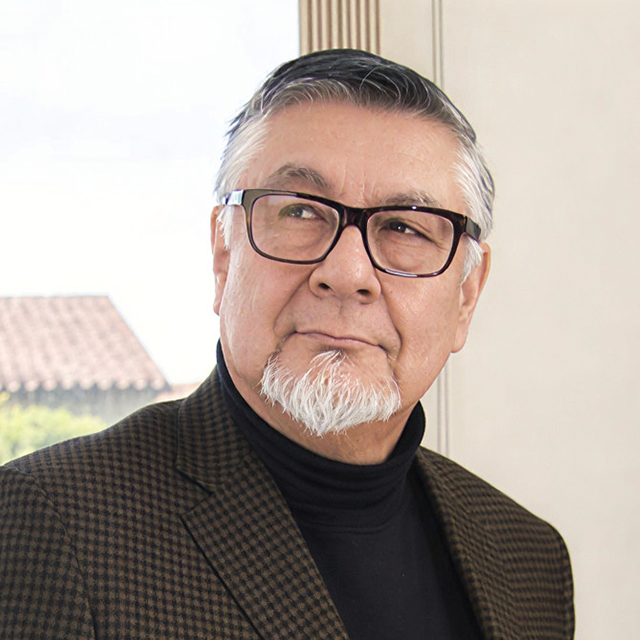
David Hayes-Bautista, PhD ’74
Center for the Study of Latino Health and Culture, UCLA David Geffen School of Medicine
Distinguished Professor of Medicine and Director
Dr. Hayes-Bautista’s research focuses on the impact of racial narratives on research design and methods, especially the use of the U.S. Office of Management and Budget’s six racial/ethnic categories in researching health outcomes in California. He earned a bachelor’s degree from UC Berkeley and master’s and doctoral degrees from UC Medical Center in San Francisco (now part of UCSF). Dr. Hayes-Bautista served as founding executive director of La Clínica de la Raza in Oakland. He has spent more than 40 years working to improve public understanding of Latinos and their health, history, culture, and contributions to California and the nation.
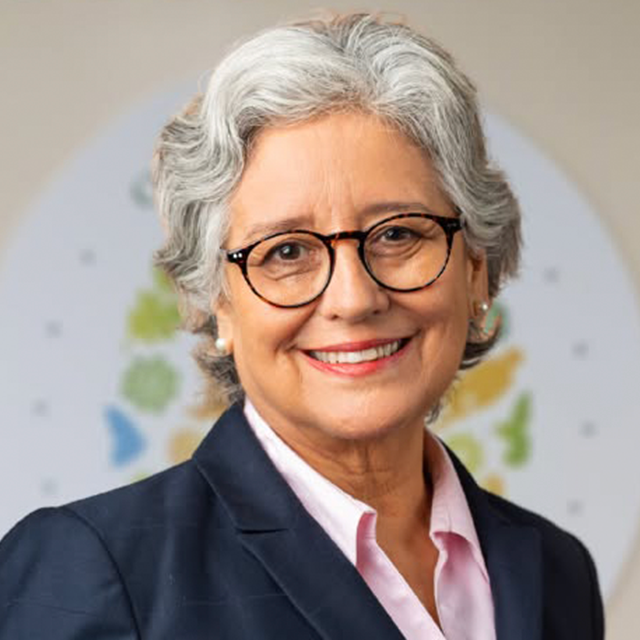
Faustina Nevarez, MD ’79
AltaMed Women’s Health Services
Medical Director
Dr. Nevarez is an OB-GYN and physician leader dedicated to advancing women’s health and community-centered care. In her current role, she provides clinical leadership and supports high-quality, equitable care for diverse patient populations. Dr. Nevarez’s work reflects a strong commitment to health equity, patient advocacy, and improving access to comprehensive women’s health services through compassionate, community-based care. She earned her bachelor’s degree at UC Davis and her medical degree at UCSF before completing her residency at Kaiser Permanente Los Angeles Medical Center.
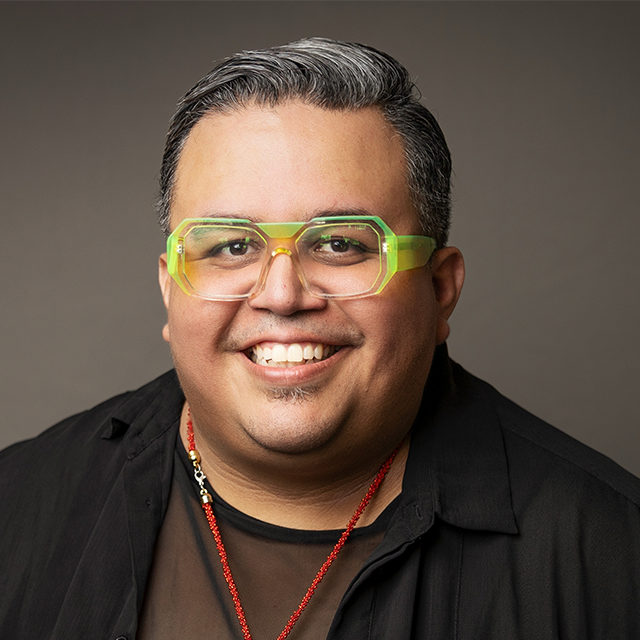
Adrian Espinosa, MS ’15, MPH, RN, PHN, FNP-BC, FADLN
Society of Latinx Nurses
Co-Founder and President
Mr. Espinosa co-founded the Supernova Foundation, which assists low-income families and awards scholarships to college students interested in the Latino community and dedicated to raising awareness of health issues. He earned a bachelor’s degree in biology and a Master of Public Health degree from San Jose State University and trained as an advanced practice nurse at UCSF. He won a 2020 UCSF Campaign Alumni Award in “The Pathfinders” category, which honors individuals who graduated or completed training within the last 10 years and are relentless in their pursuit of new ideas that push the boundaries of science and health care.
“I hope people leave feeling inspired and hopeful, recognizing that the commitment to community care and health equity is as vital today as it was decades ago,” said Alfred Magallanes, senior director of alumni relations. “This panel reflects UCSF’s PRIDE values in action — honoring the legacy our students and alumni have built while reaffirming our shared responsibility to expand opportunity and access for future generations.”
UC CLAA’s mission — to strengthen the Chicanx/Latinx alumni voice and support the advancement of UC for students, faculty and staff members, and communities — aligns closely with the founding spirit of the student-run clinics born during the Chicano Health Movement. The grassroots advocacy has evolved into institutional leadership, sustained by alumni who continue to champion representation, access, and equity.
An Enduring Commitment
For Diaz, who has long been active in the UC CLAA, the Alumni Weekend gathering represents more than a reunion. It is a continuation of a movement that began in borrowed clinic spaces decades ago.
“I hope the panel will build awareness that clinics are still a vital part of the communities we serve — and an essential experience in medical education,” he said. “There’s much more happening than just treating sore throats. These clinics shape future health professionals and provide continuity of care for generations of families.”
That scrappy beginning in 1974 never stopped shaping his path. Diaz served at Clínica Tepati in every role imaginable — pre-med and then medical student, resident, and attending physician — watching it evolve from a makeshift operation into an institutional pillar. Now a family medicine physician and volunteer clinical professor at UC Davis, he has extended that early mission nationally, helping found the National Hispanic Medical Association, the National Hispanic Health Foundation, and the National Hispanic Pharmacists Association, for which he serves as board chair.
His journey — from student volunteer to community physician to national leader mentoring Latinx health professionals — reflects a pattern shared by many of the panelists. The work that starts in student-run clinics as service often transforms into a lifelong commitment to community health, representation, and leadership.
Finding Belonging in Community Care
Adrian Espinosa’s path followed a similar arc.
Long before he became a family nurse practitioner, he worked as a health educator in school-based clinics serving middle and high school students and their families — often their only accessible source of care. There, he witnessed the power of culturally grounded, team-based medicine and discovered a professional future he hadn’t imagined.
“No one says, ‘Be a nurse’ — especially a Latino male,” he recalled. “But being at the community-based school clinics, I not only got to know nurses but I also got to know nurse practitioners. That was an eye-opening experience.”
At UCSF, where he worked in community clinics during his training, he discovered both purpose and challenge, noting there “weren’t many people who looked like me.” He found community through Latinx student organizations and later helped launch and lead the Society of Latinx Nurses (SOLN), so others would not feel alone.
Today, as a family nurse practitioner at Ravenswood Family Health Center in East Palo Alto and a national nursing leader, Espinosa continues serving medically, economically, and educationally disadvantaged patients while mentoring the next generation of nurses — extending the same continuum of service that shaped Diaz and others.
Joining alumni he once admired as a student, he described the upcoming panel as a full-circle moment.
“It will be a privilege to be among these leaders who have inspired me throughout my career and are doing incredible work,” Espinosa said.
A Living Tradition
The clinics founded during the Chicano Health Movement emerged in response to gaps in access to care in Latinx and other similar communities. Over time, many evolved into enduring institutions focused not only on clinical services but also on mentorship, professional development, and community engagement — shaping career paths in primary care, community medicine, and public health.
At UCSF and across the UC system, student-run clinics continue to provide hands-on training for future health professionals while delivering care to underrepresented populations. For many participants, the experience informs long-term commitments to community-based practice, health equity, and public service.
The Alumni Weekend panel will revisit that history and explore how those early efforts continue to influence medical education and community health today.
Learn more about UC CLAA.
Learn more about UCSF clinics.